When Faith Has Hurt You: Understanding Religious Trauma
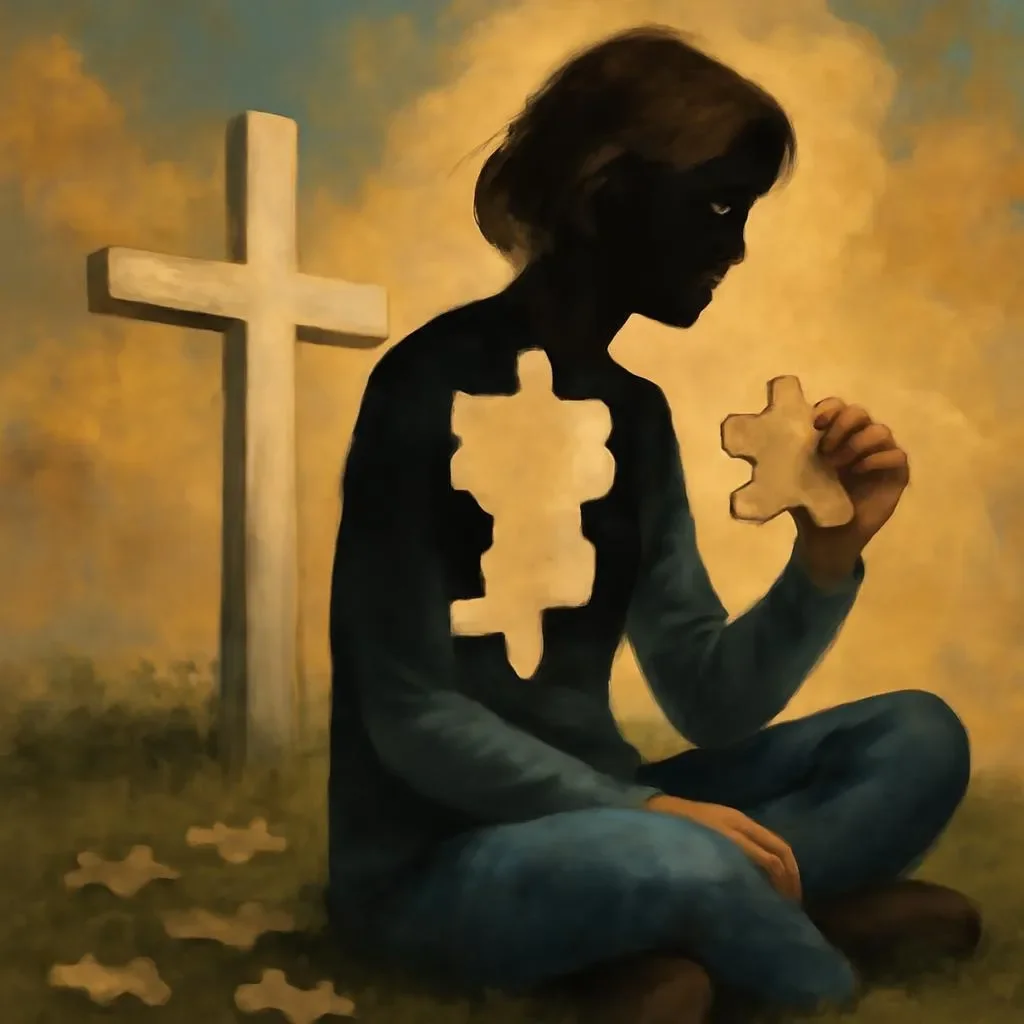
When most people picture harm, they don't picture it coming from a church pew, a youth group, or a place that was supposed to be safe. But harm that’s tied to experience with faith is still harm. And your body knows the difference between what you were told and how it actually feels.

What Religious Trauma Actually Is

Religious trauma is the lasting distress that can follow harmful experiences in a religious or spiritual setting. It isn't the same thing as simply changing your beliefs or having doubts. It's what can happen when faith gets tangled up with fear, shame, control, or a community that was supposed to be safe and supportive failed to protect you. Naming that something hurt you is not an attack on faith itself, and it’s not a reflection of your own spirituality. It's just telling the truth about your own experience.

What It Can Look Like

Religious trauma doesn't always look like what people expect. It can show up as:

  • Guilt or shame that never seems to lift, no matter what you do

  • Anxiety in religious spaces, or even around religious words and music

  • A deep fear of punishment, or of never being "enough"

  • Trouble trusting yourself, your own choices, or other people

  • Difficulty setting boundaries without feeling selfish

  • All-or-nothing thinking about right and wrong

  • Grief over a community, identity, or certainty you've lost

These aren't signs that something is wrong with you. They're signs that something happened to you.

This Is Your Nervous System, Not a Character Flaw

If a place that promised safety delivered fear instead, your body adapted. It learned to stay small, to please, to brace for judgment, because that's what kept you safe at the time. That's not oversensitivity. That's protection. You're not broken. You're carrying something that was never yours to carry alone.

Healing Doesn't Require You to Choose

Here's the part that surprises people. You don't have to decide the future of your faith before you can start healing. You don't have to leave. You don't have to stay. You don't have to have it figured out Healing is about your safety and your wholeness. That work can begin wherever you are with your faith right now.

You Don't Have to Sort This Out Alone

Religious trauma can feel especially isolating, because the very place you might have turned for comfort is part of what hurt. 

At Turning Point, we offer trauma-informed care with therapists who understand both the importance of one’s faith and the ways traumatic experiences surrounding it can wound, and who will meet you without an agenda for what you should believe.

If any of this sounds like your experience, we'd be honored to walk with you.


Previous
Previous

Is It Okay to Talk to AI About How I'm Feeling?

Next
Next

What Is Complex Trauma?