
Turning Point Counseling & Consulting Blog
We believe education is a powerful part of the healing process. Our blog is designed to offer practical tools, insights from our team of therapists, and encouragement for your journey toward growth and wellness.
Whether you’re looking for everyday self-care tips, want to learn more about different therapy approaches, or need support navigating life’s challenges and relationships, you’ll find helpful resources here.



Is It Anxiety—or Am I Just Overwhelmed?
Feeling overwhelmed doesn’t always mean you have an anxiety disorder—but when worry, overthinking, tension, or exhaustion begin to persist, it may be time to pay attention. Learn the difference between everyday stress and anxiety, recognize common signs, and discover how therapy can help you better understand what you’re experiencing and develop practical ways to manage it.

Your Child Is Back in School. So Why Are They Falling Apart at Home?
Is your child holding it together at school but falling apart at home? After-school meltdowns can be a sign of stress, exhaustion, or back-to-school anxiety. Learn what may be behind these behaviors, how parents can help, and when child or teen therapy may provide additional support.

When Summer Ends but Your Stress Doesn’t: Managing the September Transition
September can bring unexpected stress as summer ends and routines, school, work, and responsibilities pick back up. Learn why this seasonal transition can leave you feeling overwhelmed and how therapy can help you manage stress, anxiety, and life changes with greater ease.

Why Does ADHD Feel Like Failure?
If you have ADHD, struggling to start tasks, meet deadlines, or stay organized isn't a sign that you're lazy or lacking discipline. It's the result of a brain that works differently. Understanding ADHD can replace years of shame with self-compassion and practical strategies that help you work with your brain—not against it. You don't have to navigate it alone.

Why Does Setting a Boundary Feel Like Guilt?
If setting a simple boundary leaves you feeling guilty, anxious, or selfish, you're not alone—and you're not doing anything wrong. Often, that guilt isn't about the boundary itself but about old survival patterns your nervous system learned long ago. Discover why saying "no" can feel so difficult and how healthy boundaries become easier with support and practice.

Is It Okay to Talk to AI About How I'm Feeling?
AI can be a helpful place to process thoughts, name emotions, or find support when no one else is available. But while it can listen and reflect, it can't replace the healing that comes from a trusted therapeutic relationship. Learn where AI can help, where it falls short, and why real human connection remains essential for lasting mental health and healing.
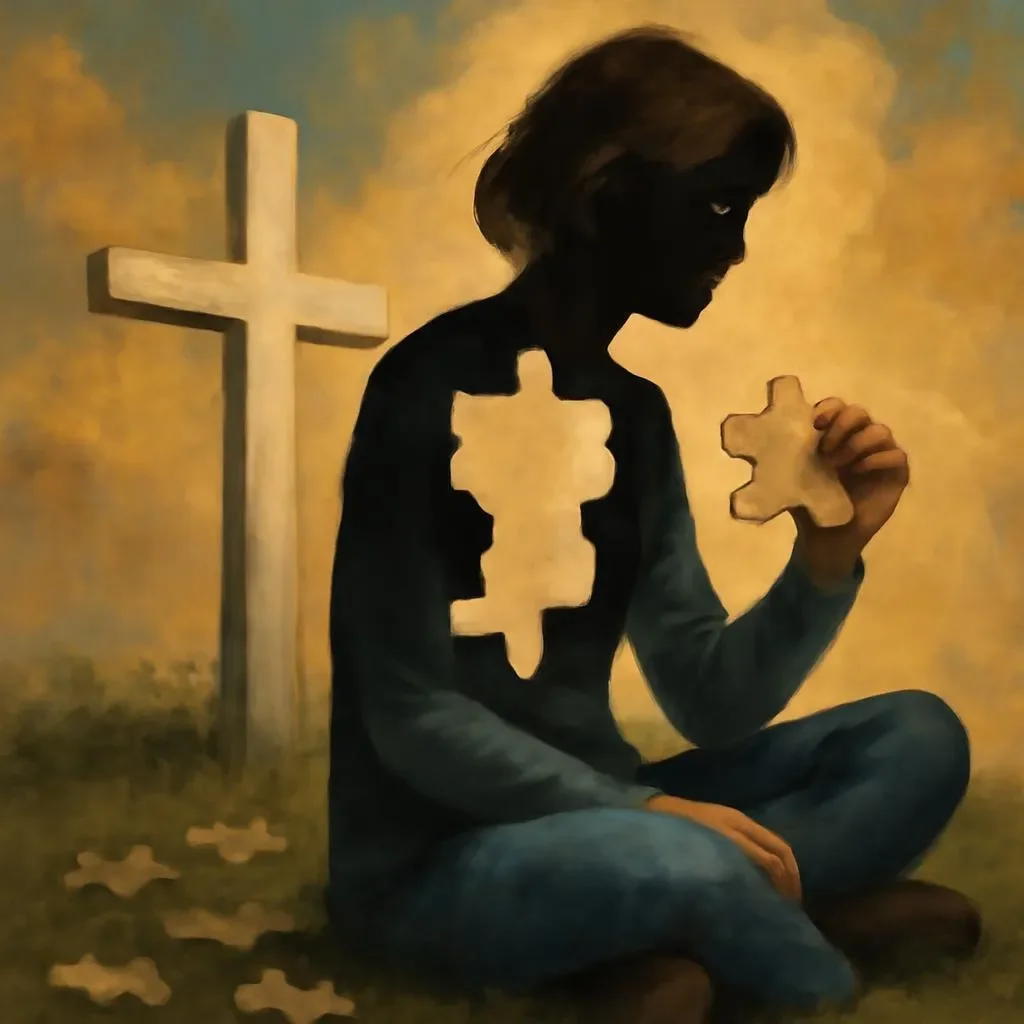
When Faith Has Hurt You: Understanding Religious Trauma
When faith becomes intertwined with fear, shame, or control, the effects can run deeper than many people realize. Religious trauma isn't about questioning your beliefs—it's about recognizing the lasting impact of experiences that made you feel unsafe in a place that was meant to offer comfort. Healing doesn't require you to have all the answers about your faith. It begins with acknowledging your story and knowing you don't have to carry it alone.

What Is Complex Trauma?
Complex trauma isn't usually caused by one event—it's the result of repeated experiences that leave the nervous system in survival mode. Coping strategies like people-pleasing, perfectionism, or avoiding conflict often begin as ways to stay safe, not as personality flaws. Healing from complex trauma means more than easing symptoms; it involves rediscovering who you are beneath those survival strategies, one small step at a time.

The Difference Between Stress and Trauma
Stress vs. trauma: they're often used as if they mean the same thing, but they don't. Stress is a normal response to life's challenges and usually fades once the situation passes. Trauma occurs when an experience overwhelms your ability to cope, leaving your nervous system stuck in survival mode long after the event has ended. Understanding the difference isn't about comparing pain—it's about recognizing when your mind and body may need support to heal.

Why Your Nervous System Thinks You're Still in Danger
Trauma can leave your nervous system stuck in survival mode, making safe situations still feel threatening. If you've ever wondered why you feel anxious even when you know you're safe, you're not alone. The good news is that healing is possible. With time, support, and trauma-informed care, your brain can learn that the danger has passed and begin to feel safe again.

What Does Trauma Actually Look Like?
Trauma isn't defined only by what happened—it's defined by how your nervous system responded. Long after the danger has passed, trauma can show up through anxiety, exhaustion, relationship struggles, physical symptoms, or feeling constantly on guard. The good news is that healing is possible. Understanding trauma is the first step toward helping your nervous system feel safe again.








Why Do I Keep Having the Same Problems in Different Relationships?
Different people. Same dynamic.
When the same problems show up in different relationships, it’s rarely coincidence. Relationship patterns are learned early—shaped by past experiences and what your nervous system adapted to in order to maintain connection.
We often repeat what feels familiar, even when it hurts, because familiarity feels safer than the unknown.
Insight alone isn’t enough to break the cycle. Real change happens when the underlying emotional response shifts—when new, healthier ways of relating begin to feel safe, not threatening.
Patterns can change. Not instantly—but intentionally.

Why Do I Feel Disconnected from People I Love?
As 2025 ends, it’s easy to feel pressured by comparisons and unmet goals—but not meeting expectations doesn’t mean failure. It means you lived, adapted, learned, endured, and kept going. Growth isn’t always visible or productive; sometimes it’s simply surviving, resting, or choosing not to quit.
You don’t need to punish yourself for goals that didn’t happen—goals are guesses, and life is unpredictable.
Looking ahead to 2026, you don’t need big resolutions or a total reinvention. A single, gentle intention is enough: be kind—to your body, your mind, and yourself when you fall short. Intentions aren’t rules; they’re invitations you can return to anytime.
You don’t owe the new year proof, explanations, or perfection. You’re allowed to move forward exactly as you are—still standing, still learning.
Less self-blame. Fewer “shoulds.” More kindness.
And when you forget—begin again.