Why Men Struggle to Ask for Help (And Why That Needs to Change)
"Man up."
"Don't be so sensitive."
"Handle it yourself."
For generations, many boys have grown up hearing messages about what it means to be strong.
Strength often meant independence, emotional control, and the ability to solve problems without needing anyone else.
While independence and resilience can be valuable qualities, these expectations can also create a difficult message:
If you're struggling, keep it to yourself.
And that message can have serious consequences for men's mental health.
When Strength Becomes Silence
Many men are taught early in life that expressing sadness, fear, vulnerability, or uncertainty is a sign of weakness.
Anger may be more socially acceptable than sadness.
Working harder may feel more comfortable than admitting exhaustion.
Solving someone else's problems may feel easier than discussing their own.
Over time, some men become highly skilled at functioning while emotionally disconnected from what they're experiencing.
From the outside, everything may appear fine.
Inside, the story can be very different.
Mental Health Doesn't Always Look Like Sadness
When people think about depression, they often picture someone crying or appearing visibly unhappy.
But depression and other mental health challenges don't always present that way.
For some men, emotional distress may show up as:
Increased irritability or anger
Withdrawal from relationships
Difficulty sleeping
Loss of motivation
Working excessively
Increased alcohol or substance use
Feeling emotionally numb
Physical complaints such as headaches or fatigue
Difficulty enjoying activities they once loved
These symptoms can have many causes, and they don't automatically indicate a mental health condition.
But they may be signs that something deserves attention.
Why Asking for Help Feels So Difficult
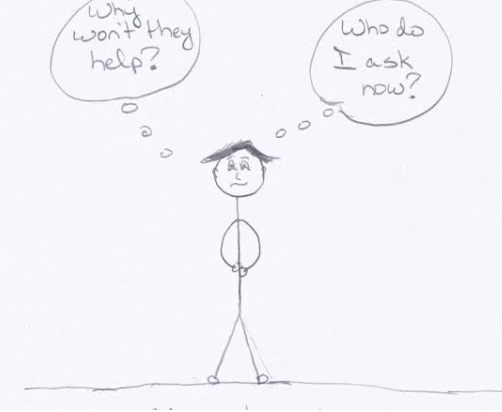
Seeking therapy requires something that many men have been conditioned to avoid: vulnerability.
It means acknowledging uncertainty, talking about emotions, and allowing someone else into an experience that may have been kept private for years.
For someone who learned that being dependable means never needing support, that can feel uncomfortable.
Some men may also worry that therapy will involve being judged, blamed, or pressured to discuss things before they're ready.
Others simply don't know where to begin.
These concerns are understandable, but they don't have to prevent someone from getting help.
Therapy Isn't About Taking Away Your Strength
One common misconception is that therapy is designed to make people more emotional or less independent.
In reality, effective therapy can help people develop a better understanding of their emotional responses, communicate more effectively, manage stress, and navigate difficult situations.
For many men, therapy can be a practical space for problem-solving, developing coping strategies, understanding relationships, and working through experiences that continue to affect daily life.
Being able to recognize and communicate emotions isn't the opposite of strength.
It's another form of it.
Men Experience Trauma, Too
Trauma doesn't discriminate.
Military service, childhood adversity, accidents, relationship violence, loss, occupational stress, and other overwhelming experiences can affect men in significant ways.
Sometimes the impact appears years later through anxiety, anger, emotional withdrawal, difficulty trusting others, or problems with sleep.
Trauma-informed therapy helps individuals explore how past experiences may be influencing their present lives.
The goal isn't to erase what happened. It's to reduce the ways those experiences continue to interfere with living.
How to Support the Men in Your Life
If you're concerned about someone, you don't need to force a serious conversation.
Start with connection.
Instead of saying, "You need therapy," consider asking:
"I've noticed you seem stressed lately. How are you doing?"
Or:
"You've been carrying a lot. Is there anything I can do?"
Listen without immediately trying to fix everything.
Avoid minimizing what they're experiencing.
And remember that support sometimes begins with simply making it safe to talk.
Redefining What Strength Looks Like
Strength can mean showing up for your family.
It can mean working hard, taking responsibility, and facing difficult situations.
But strength can also mean recognizing when something isn't working.
It can mean asking for help.
It can mean learning a different way to manage stress, communicate with loved ones, or process difficult experiences.
You don't become less capable by accepting support. You give yourself more options.
A Gentle Reflection
What messages did you learn growing up about how men should handle emotions?
Are those messages still serving you—or is it time to define strength differently?
Turning Point Counseling & Consulting
Turning Point provides individualized mental health services for adults, adolescents, and children, including support for anxiety, depression, trauma, and relationship challenges.
Our clinicians offer in-person services in Hampton Roads and telehealth throughout Virginia.
Visit TurningPointVA.com to learn more or request an appointment.